Donny Ray Black’s death
The RainmakerDonny Ray Black’s death turns the insurance dispute from a fight over policy language into an irreversible loss. He dies at home after going to sleep and never waking; his mother, Dot Black, tells Rudy Baylor the news on a Sunday morning. His death reshapes the legal schedule and the emotional terms of the case, while his recorded testimony later allows the jury to hear him after he is gone.
The News and Its Immediate Effect
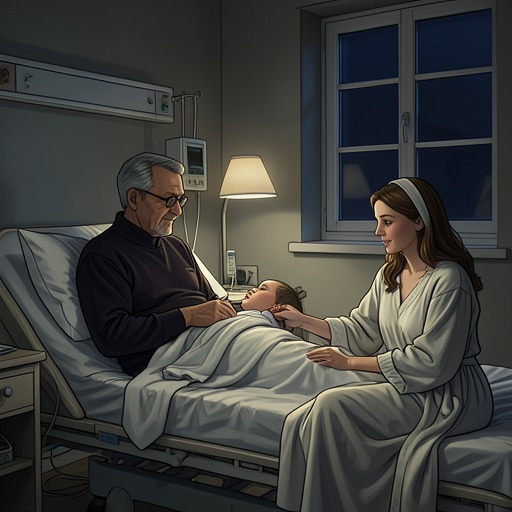
Rudy is sitting on the patio at Miss Birdie’s house when Dot calls. She says that Donny Ray went to sleep the previous night and never woke. Her voice wavers, though she keeps her emotions under control. She says he is better off now, and Rudy recognizes a trace of relief in her words. He promises to visit that afternoon.
After the call, Rudy walks to a hammock and leans against an oak tree. He wipes his tears, sits with his head lowered, and says his last of many prayers for Donny Ray. The moment is private, but it also marks a change in the case: the person whose treatment Great Benefit refused to fund can no longer be helped by a verdict.
Rudy phones Judge Kipler with the news. Donny Ray’s funeral is set for the next afternoon, but depositions of Great Benefit’s home-office witnesses are scheduled to begin at nine and continue for most of the week. Kipler asks Rudy to come to court anyway. Rudy has prepared questions for the witnesses, with suggestions from the judge and review from Deck Shifflet, but the work offers little comfort just after the death.
Funeral and Postponed Depositions
At the Black family’s home, the neighborhood has gathered to mourn. Cars fill the street and driveway; the house is crowded, and the kitchen counters and table are covered with food brought by neighbors. Rudy and Dot hug gently. She thanks him for coming, then leaves him to join other women. Rudy eats alone on the small patio before Ron Black introduces himself as Donny Ray’s twin.
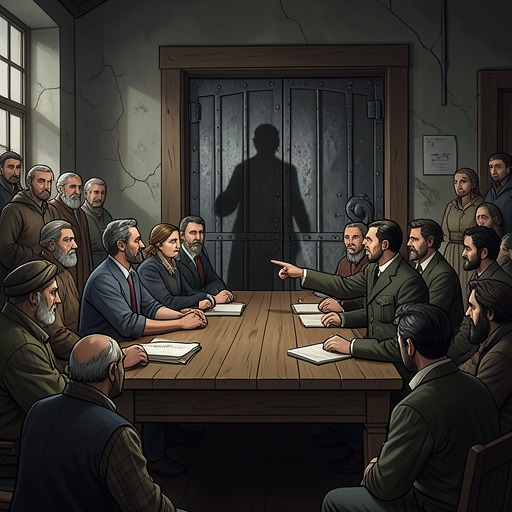
The next morning, Judge Kipler brings the case before the court and announces that Donny Ray has died. When Leo F. Drummond argues that the depositions should proceed because Great Benefit’s executives have traveled to Memphis, Kipler postpones them until the following Monday. He points out that they could have been taken in Cleveland earlier, but Great Benefit had delayed matters. The postponement makes the company’s representatives wait and rearrange their schedules; it also gives Rudy time to attend the funeral. The dispute over timing reflects Kipler’s control of discovery and his determination to keep Great Benefit from dictating the proceedings.
Donny Ray is buried behind a small country church a few miles north of Memphis. Rudy is one of eight pallbearers and stands behind the seated family. Beneath a burgundy canopy, the mourners gather around the gray casket as a young minister reads from the Bible. Rudy hears Dot crying softly and sees Buddy Black sitting beside Ron. The burial is also personally difficult for Rudy, whose last funeral was his father’s, though he tries not to dwell on that memory.
Death in the Trial Record
Donny Ray’s death does not remove him from the case. His deposition, recorded while he was alive, is edited to thirty-one minutes and played for the jury on a twenty-inch screen. The courtroom lights are dimmed; the jurors lean forward, and Rudy watches their faces rather than the testimony he has seen many times before. He observes sympathy among them. Dot wipes her cheeks, and after the screen goes blank the courtroom remains quiet for a full minute.
The recording gives the jury a direct encounter with the person behind the claim, even though he cannot appear in court. Rudy and Dot have already presented the policy, the family’s efforts to find help, and a sequence of denial letters. Set beside those records, Donny Ray’s testimony makes the dispute about refused treatment immediate and personal. After the recording, Rudy announces that the plaintiff rests, believing the case has been made but understanding that the defense still has its turn.
Meaning for the Case
In his closing argument, Rudy asks the jurors to consider what it meant for Donny Ray to die while needing treatment that the family believed the policy entitled him to receive. He points to the defense’s failure to contradict Dr. Walter Kord’s testimony that a bone marrow transplant was not merely experimental and probably would have saved Donny Ray’s life. He also connects the medical dispute to Great Benefit’s hidden documents and the evidence of its 1991 claim-denial scheme.
Rudy’s rebuttal rejects the company’s proposed limit of two hundred thousand dollars as inadequate to the wrong the jury has heard described. He tells the jurors that the money would pay for an operation that will never take place, and challenges them to decide whether Great Benefit’s conduct deserves punishment. Donny Ray’s death is therefore both the human consequence at the center of the lawsuit and the fact that no eventual award can undo: the trial can determine responsibility and compensation, but it cannot restore the treatment or the life lost.